Not so long ago one would never think of blending the health perspectives from Traditional and Alternative medical philosophies! However, it is now easy to find evidence of the blend and consideration of each other’s practices, therapies and beliefs on many levels of the healthcare and wellness treatment plans. A comparison of the two are intriguing thoughts. On the lighter side of these thoughts are Yoga’s Tadasana (Mountain Pose) and medicine’s Normal Anatomical Position. There is evidence of yoga dating back at least 5000 years, but it was not until the late 1800’s that Mountain Pose began to show up in “modern” gym exercises. Likewise, the practice of “medicine” is equally old, but the phrase Normal Anatomical Position is not documented until the late 1800’s. Both phrases as we know them today, not only have similar time frames but their descriptions are essentially the same.
Tadasana is described as standing with feet hip width apart, toes pointing forward, arms extended along the side of the torso with palms facing forward. The shoulders are extending downward with the face and eye gaze forward. A yoga sequence often begins with this pose. It is used to bring attention to the body and improving posture. It is a time to focus on intention and tranquility.
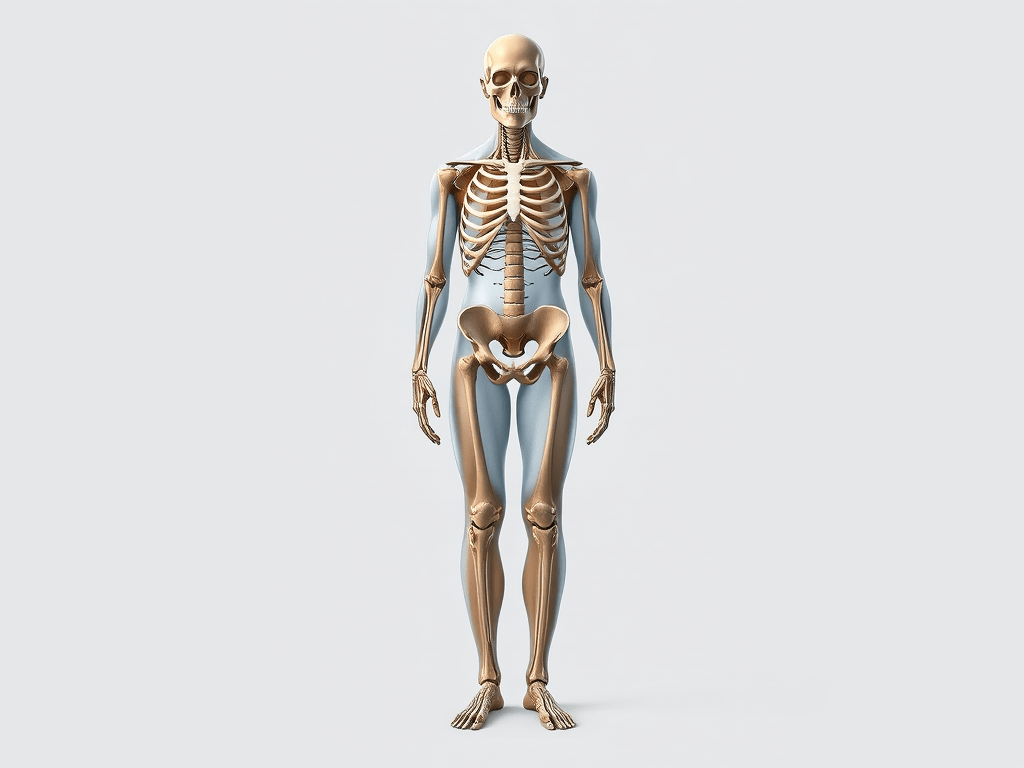
Normal Anatomical Position is standing upright or lying supine (flat on the back), the feet are shoulder-width apart with toes pointing forward, arms by the side with palms up with the head and eyes forward. In healthcare, this position is the beginning of learning anatomy and is consistent for describing structures and the location of body parts. It allows clear communication. Normal Anatomical Position is the symbol of the perfect body and its alignment. It is the position the body can be assessed.
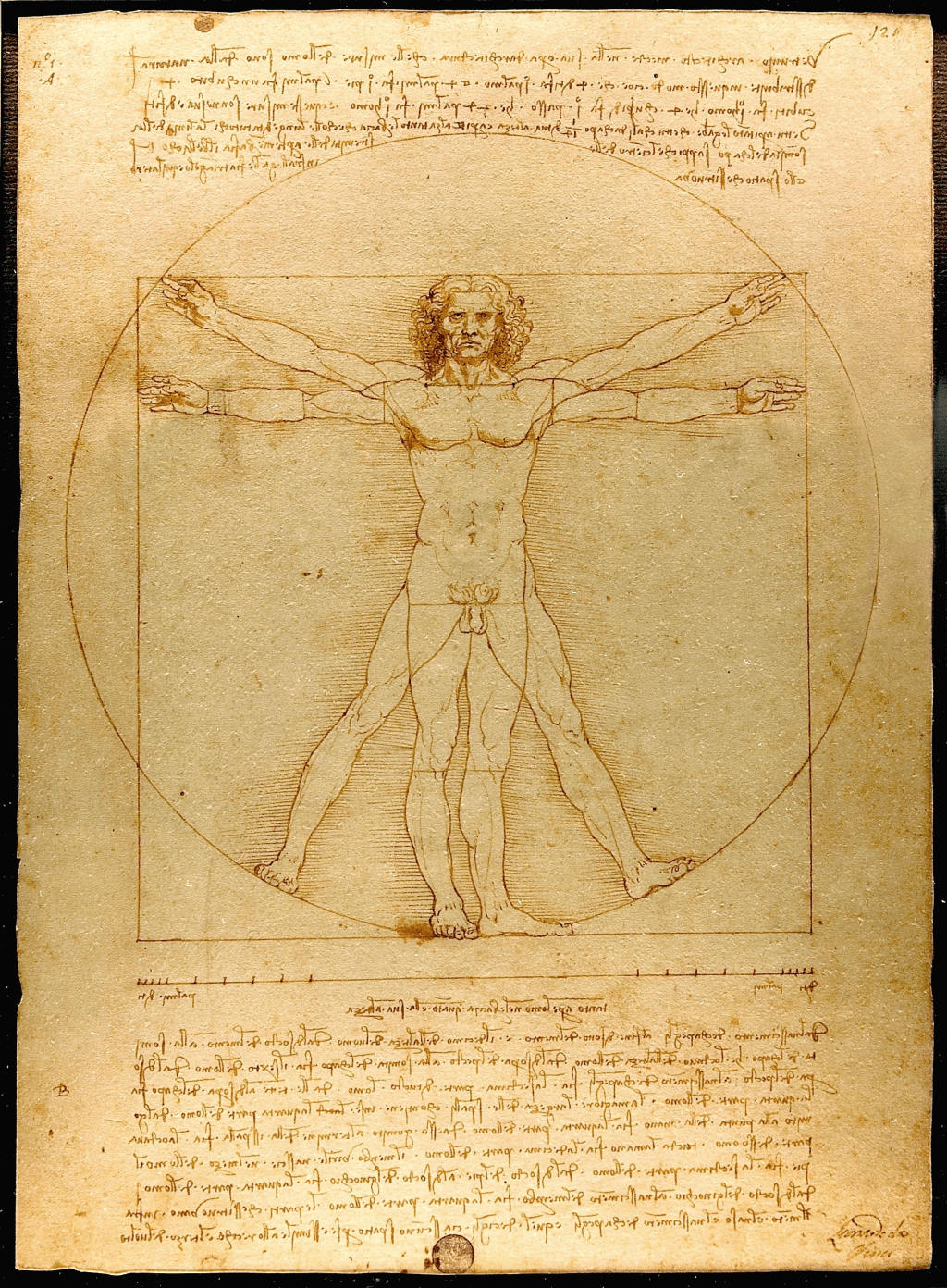
It may not be a far reach to compare traditional and integrative practices. However, beyond a somewhat whimsical look at Tadasana and Normal Anatomical Position, a large broad scope view is left to those with more time and bandwidth. While these two terms share similar beginnings of time (1800’s), how shall we ponder da Vinci’s 1490 drawing of Vitruvian Man?


Carrie Bergener

Leave a comment